Case Study

Case Study
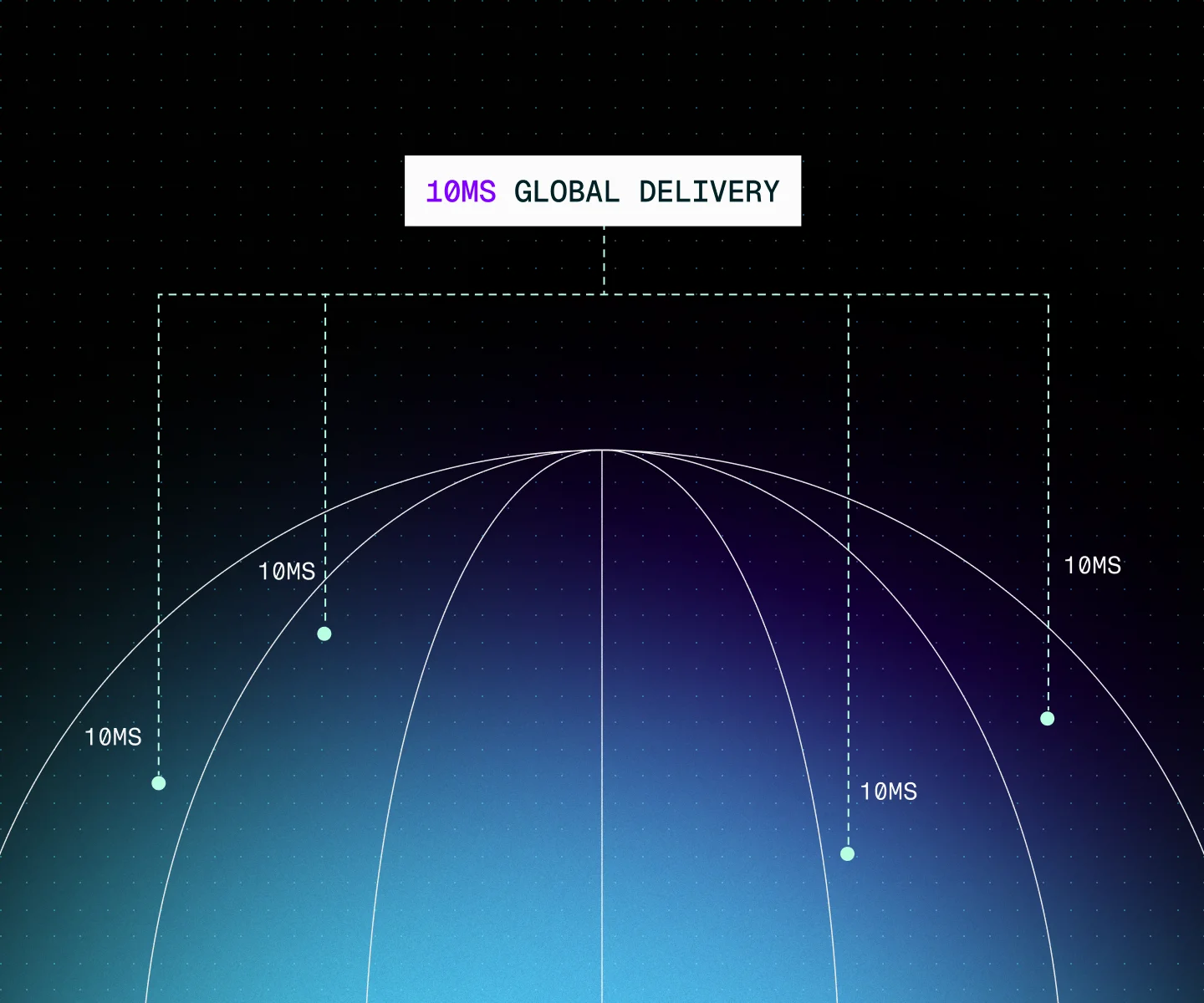
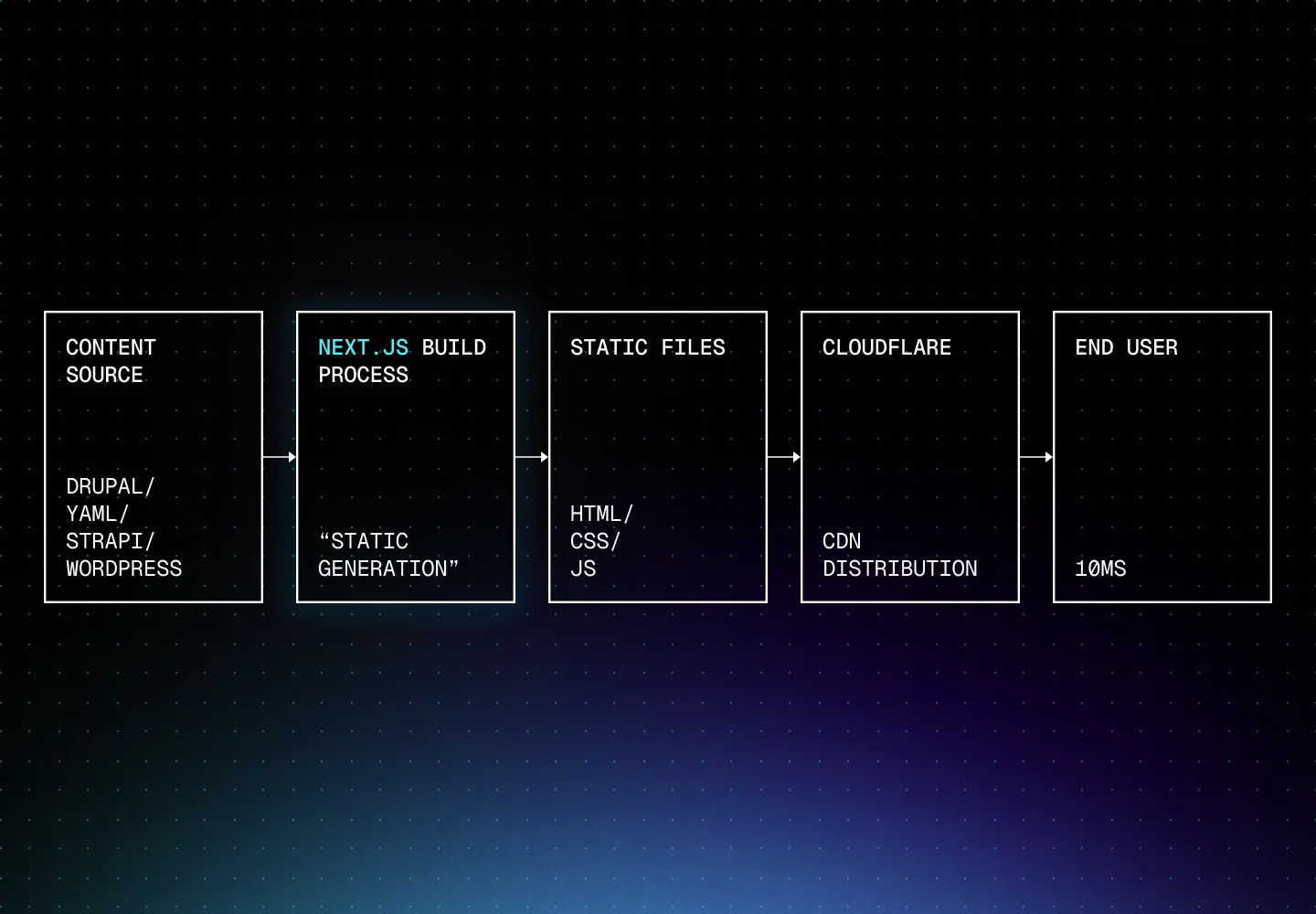
Blue Drop Labs developed a modern static website architecture that enables sub-10 millisecond response times globally. Powered by Next.js, it decouples the website's presentation from content management. Any CMS can be used to provide content. This architecture serves as both the foundation for Blue Drop Labs' website and a scalable solution for any client seeking greater security, faster load times, and lower hosting costs.
KEY HIGHLIGHTS
The architecture uses Next.js's native static generation capabilities to create all pages at build time. A page loader is configured to ingest content from a source. The website you are on right now reads from YAML files, but we can swap in other data sources without changing the frontend code. The order of the components in the file determines their order on the page.
With this configuration, GitHub becomes a basic CMS. YAML files are easy to edit, and all changes are tracked and version-controlled. A change can trigger the build process automatically, deploying to CloudFlare, which provides global CDN distribution and a free tier suitable for most basic marketing websites.
Google increasingly expects marketing websites to serve static assets immediately. The Lighthouse scoring algorithm reflects this expectation—dynamically generated pages are penalized because they introduce unnecessary latency. By serving raw HTML files, this architecture aligns with search engine preferences, provides optimal SEO performance, and delivers content that AI is more likely to reference for citations.
There's no dynamic page rendering, no database queries, and no server-side processing. The page exists as a file and is served immediately, providing consistent performance regardless of cache status.
Next.js also includes built-in optimizations like lazy loading for images. Using the Next.js Image component ensures images load progressively as users scroll, preventing them from blocking initial page render. These optimizations work automatically without developer intervention.
Additionally, static HTML files cannot be hacked in the way traditional CMS installations can be compromised. There's no database to inject malicious code into, no admin panel to breach, and no server-side code to exploit.
If paired with a decoupled CMS, the content management system can be placed behind a firewall or VPN, never exposed to the public internet. Only authorized editors access it, and only during content updates. This dramatically reduces the attack surface compared to traditional CMS architectures.
For projects using commercial headless CMS platforms, security updates are handled by the vendor as part of their subscription service, removing the urgency and risk associated with manual CMS maintenance.
A single Next.js application could power hundreds of websites at a fraction of the cost of similar tools. Content could be separated by domain mapping, taxonomy tags, or through a feature in whatever backend CMS is used. This approach opens opportunities for agencies managing multiple client sites or organizations with multiple web properties.
This architecture is particularly well-suited for:
We've created a system that delivers exceptional user experiences while reducing costs and complexity. A modern approach that prioritizes performance, security, and flexibility. With the right technology stack and implementation, you can realize the benefits of a decoupled architecture.
If you'd like to explore this solution for your business, contact us.
Unlock your true potential. Start by telling us about your project—we'll get back to you within 24 hours.
Schedule a demo